
ORGANIC PIGMENTS · SOLVENT DYES · FLUORESCENT PIGMENTS
Colorants for real
production conditions.
Organic pigments, solvent dyes and fluorescent pigments for plastics, coatings, printing inks and textiles. Select grades by resin or binder, target shade and processing conditions.
Filter by resin, heat stability, migration and FPV needs.
Match binder, dispersion, weathering and opacity requirements.
Compare vehicle compatibility, grind, shade and transparency.
Screen filtration, spinning temperature and fastness performance.

ABOUT UPBRIGHT CHEMICAL
Organic pigments, solvent dyes
and fluorescent pigments.
UPBRIGHT supplies organic pigments, including high-performance grades, solvent dyes and fluorescent pigments for plastics, masterbatch, coatings, printing inks and textiles. Our Ningbo export team supports grade selection, sample evaluation, technical documentation and shipment coordination.
- Two production facilities supporting consistent supply
- Grade selection by resin, shade and processing temperature
- Samples, TDS, SDS, COA and export documentation
Organic pigments / year
Solvent dyes / year
Manufacturing facilities
Years in color chemistry
OUR CHEMISTRY
Four product groups.
Clear grade data.
From everyday masterbatch to demanding automotive finishes, discover colorants selected around real production requirements.
Organic pigments
Reliable color strength for plastics, coatings and inks.
Explore the range ↗02 / PERFORMANCEHigh-performance pigments
Exceptional heat resistance, weatherability and fastness.
Explore the range ↗03 / DYESSolvent dyes
Brilliant transparent color for engineering plastics.
Explore the range ↗04 / FLUORESCENTFluorescent pigments
Powders, aqueous dispersions and soluble toners, selected by process.
Explore the range ↗TRUSTED GRADES
Commonly specified grades.
High-performance pigments
Pigment Red 254
High-performance pigments
Pigment Yellow 139
Organic pigments
Pigment Blue 15:3
Solvent dyes
Solvent Yellow 114
High-performance pigments
Pigment Violet 23
Organic pigments
Pigment Red 170 F3RK
WHERE COLOR WORKS
Specify by
application.
Different production environments demand different answers. We help match each product to its actual end use.
 01
Plastics & masterbatch↗
Heat-stable color for polyolefins, engineering plastics and high-concentration masterbatch.
 02
Coatings & paint↗
Durable color systems for industrial, automotive, powder and architectural coatings.
 03
Printing inks↗
Clean shade and controlled dispersion for flexographic, UV, offset and water-based inks.
 04
Textiles & fibers↗
Brilliant, processing-stable coloration for synthetic fibers and textile applications.
PRODUCTION · QUALITY · EXPORT
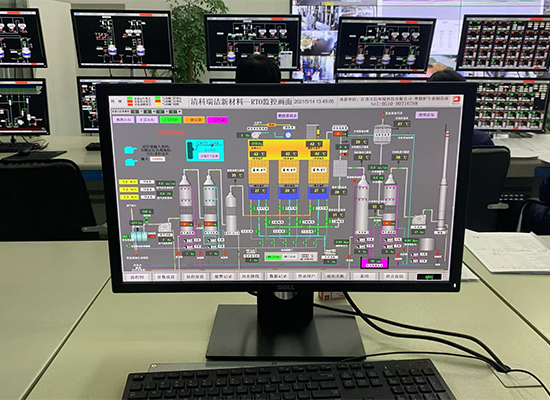
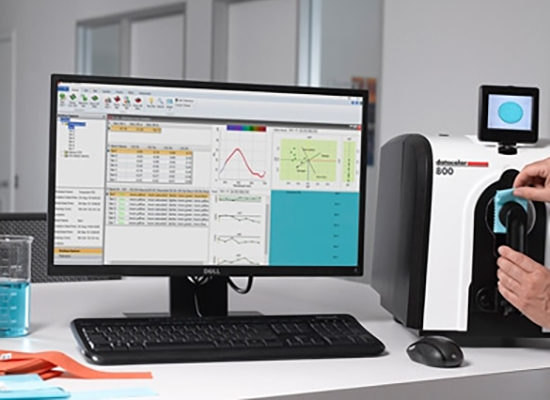
Production and quality.
A concise view of production, color control and export handling.
See the quality equipment →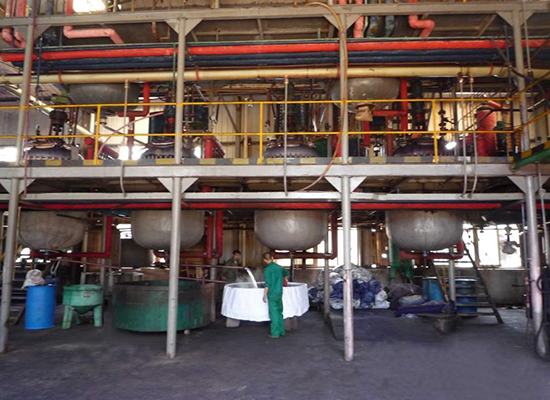

FROM THE UPBRIGHT DESK
From pigment selection
to production practice.
 Industry insight
What Causes Poor Pigment Dispersion in Masterbatch?
A practical review of carrier compatibility, pigment wetting, compounding conditions and filter-pressure testing.
Read article → Industry insight
Why Carrier Resin Matters More Than You Think in Masterbatch Production
Carrier selection affects pigment wetting, melt behavior, extrusion stability and compatibility with the finished plastic.
Read article → Industry insight
Organic Pigment Purchasing: Looking Beyond Price per Kilogram
Tinting strength, dosage, dispersion, batch consistency and technical support all affect the real cost of color.
Read article →PRODUCT & APPLICATION QUESTIONS
The questions
buyers actually ask.
Color Index, shade approval, processing temperature, FPV and sample preparation—answered with the conditions that matter.
Read all 35 technical and trade questions →What is the difference between an organic pigment and a solvent dye?+
An organic pigment is dispersed as insoluble particles in a resin, ink or coating. A solvent dye dissolves in a compatible medium or polymer and is often chosen for transparent coloration. The choice depends on transparency, migration, light fastness, resin compatibility and processing temperature; neither category is suitable for every application.
Which details do you need to recommend a suitable grade?+
Send the Color Index or current trade name, target shade, resin or binder, processing temperature, pigment loading, end use and destination market. A drawdown, molded chip, masterbatch sample or current TDS makes comparison more reliable. Include any requirements for ΔE, light fastness, FPV or food-contact documentation.
Why can two products with the same Color Index perform differently?+
The Color Index identifies the coloring substance, not the complete commercial grade. Particle size, crystal form, surface treatment, dispersibility and concentration can differ. For example, P.B.15:0, P.B.15:1 and P.B.15:3 reflect different phthalocyanine forms or modifications, while grades within one index can still have distinct shade and processing behavior.
What is the difference between Pigment Red 170 F3RK and F5RK?+
Both belong to P.R.170 and share CAS 2786-76-7. F3RK is generally positioned toward a yellower red shade, while F5RK is a deeper, bluer red. The correct comparison is made in the intended resin or binder using the same loading, drawdown method, tinting strength and ΔE target; a shared CAS does not guarantee interchangeable shade.
NEED A COLOR SOLUTION?
Let’s find the right
product for your application.
Tell us the color index, resin system or processing requirement. Our export team can help with product matching, documentation and samples.
WhatsApp: +86 177 5622 7320LinkedIn: UPBRIGHT CHEMICAL LTD